EV vs Gas Cost Per Mile: How Much Cheaper Is Electric? (2026)
The clearest way to compare an electric car to a gas car is cost per mile — what you actually pay in fuel to move the car one mile. It strips away the sticker price and shows the running-cost gap that drives an EV's long-term savings. Here's exactly how to figure it for both, and how to get your real numbers.
How to calculate an EV's cost per mile
An electric car's fuel cost per mile is just its efficiency times your electricity price:
EV cost per mile = (kWh per 100 miles ÷ 100) × your electricity rate ($/kWh)
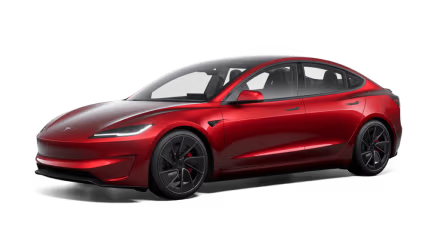
Most EVs use somewhere around 25–30 kWh per 100 miles (a Tesla Model 3 is near the efficient end). So if you know your home electricity rate, you can work out your cost per mile directly. Because home electricity is cheap and stable, the result is usually just a few cents — far less than gas.
How to calculate a gas car's cost per mile
A gas car's is even simpler — pump price divided by fuel economy:
Gas cost per mile = gas price ($/gallon) ÷ MPG
A 25–30 MPG car at typical pump prices lands several times higher per mile than an EV charged at home. That difference, multiplied across 12,000–15,000 miles a year, is where the EV's fuel savings come from.
Get your real per-mile numbers (with live prices)
Rather than guess at averages, our charging cost calculator does this for you — pick your model and state and it pulls your local electricity rate and live gas prices from the EIA to show your actual cost per mile, side by side. It's built around Tesla as the worked example, but the per-mile math is identical for any EV.
What changes the gap
- Your electricity rate — the biggest lever. Overnight EV rate plans push the EV's per-mile cost even lower.
- Local gas prices — the higher gas is where you live, the wider the EV's lead.
- Efficiency — a smaller, lighter EV (or a thriftier gas car) shifts the numbers.
- Public fast charging — Supercharging and other DC fast chargers cost more per kWh than home, so if you charge mostly in public the gap narrows. Most owners charge at home, where it's cheapest.
Cost per mile is only the fuel half
Fuel is where the EV wins biggest, but the full picture also includes maintenance (much lower on an EV), insurance (a bit higher), depreciation, and state EV fees. To see the complete electric-car-vs-gas comparison — and the year an EV pays for itself — run our cost-of-ownership calculator, or read the plain-English EV vs gas cost breakdown.