Tesla Roadster to Receive Limited FSD Due to Design and Volume Constraints
Chief Designer Franz von Holzhausen cites extreme windshield and low production estimates as barriers to full autonomy.
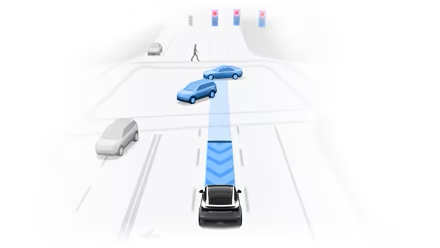
Tesla’s upcoming Roadster will not support the complete Full Self-Driving (FSD) suite, according to comments made by Chief Designer Franz von Holzhausen during a MotorTrend walkthrough of the vehicle.
What Happened
During the walkthrough, von Holzhausen confirmed that the Roadster would perform a "limited version of FSD" when asked about its camera capabilities. He stated that the hardware itself, including the cameras, is present, but the vehicle's unique design poses significant challenges. Specifically, he pointed to the "extreme windshield and idea of just being a performance driving car" as the primary reasons for the limitation. The Roadster features a steeply raked windshield, a low wedge shape, transforming aero, suction fans, an active rear wing, and cold-gas thrusters. These features create complications that FSD software was not originally trained to handle.
Why It Matters
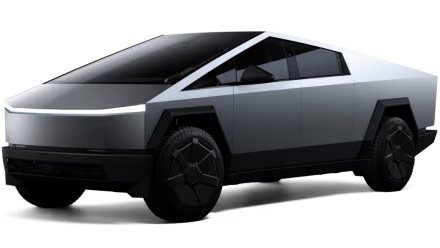
Production volume is a critical factor in this decision. Early analyst estimates suggest Tesla will manufacture only about 2,000 Roadsters per year once production begins in 2028. This volume is significantly lower than even the Cybertruck, which is currently Tesla’s lowest-volume consumer vehicle. Training and maintaining FSD for a vehicle with such a distinct and complex hardware configuration, while selling in such low numbers, is deemed impractical by the company. Additionally, Tesla is positioning the Roadster as "the last great driver’s car," emphasizing human driving over autonomy, despite Elon Musk’s previous statements that the car could perform autonomous stunts and be "sentient."
The Bottom Line
While the Roadster may retain some autonomous capabilities, it will not offer the full FSD experience found in other Tesla models. With production still years away, specific details on which FSD features will be included or excluded are expected to emerge closer to the vehicle's launch.