Tesla Driver Says He Was Asleep on FSD When He Hit CHP Car, 2 Officers Hurt
The 22-year-old driver allegedly struck a patrol car at freeway speed while navigating a closed lane section on Interstate 80.
Two California Highway Patrol officers are recovering from serious injuries after a Tesla struck their patrol vehicle on Interstate 80 in Fairfield. The 22-year-old driver reported to investigators that he was asleep with Tesla’s Full Self-Driving system engaged at the time of the collision.
What Happened
The incident occurred just before midnight on Tuesday, October 13, on eastbound I-80 west of Air Base Parkway. According to CHP, four lanes were already closed behind flares and cones due to an earlier fatal crash involving a Honda Civic and a Chevrolet Tahoe. The Tesla approached at freeway speed, bypassed the closure, and struck a Dodge Charger patrol car occupied by two officers. Dashcam video released by CHP on Thursday captured the impact. The Tesla driver sustained only minor injuries, while both officers suffered serious injuries. CHP has not yet released the specific Tesla model or software version involved, noting that the driver’s statement is currently the only evidence that FSD was active; vehicle logs will provide further confirmation.
Why It Matters
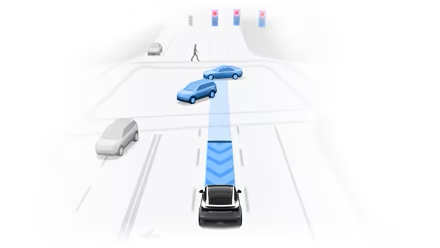
This collision highlights ongoing concerns regarding driver complacency and the effectiveness of Tesla’s monitoring systems in complex scenarios. Although NHTSA launched an investigation into similar incidents in 2021—resulting in a 2023 recall of over 2 million vehicles to improve driver attention alerts—Teslas have continued to strike emergency scenes. FSD (Supervised) relies on a cabin camera to ensure the driver is watching the road, intended to disengage if attention lapses. However, reports suggest that drivers can easily bypass this monitoring, and Tesla has been relaxing these requirements rather than tightening them. This case raises critical questions about the gap between the marketing of "Full Self-Driving" and the legal and technical reality that the driver remains responsible for safe operation.
The Bottom Line
CHP emphasized that technology does not relieve drivers of their responsibility to operate their vehicles safely. As the investigation continues, the focus remains on whether FSD was engaged and why the system failed to stop for a clearly marked emergency scene.