Obrist Goes Bankrupt Owing $37 Million After Failed Tesla Hybrid Bids
The Austrian firm behind the HyperHybrid range extender cited high development costs and Europe's shift to EVs.
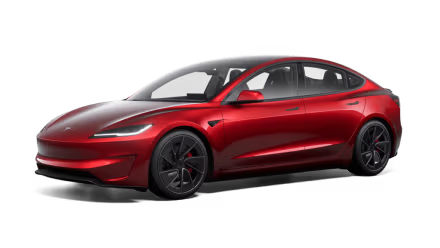
Obrist, the Austrian engineering firm known for modifying Tesla Model 3s with internal combustion engines, has filed for bankruptcy. Three entities within the Obrist Group are insolvent with combined debts totaling approximately €31.8 million, or roughly $37 million.
What Happened
The Feldkirch Regional Court in Vorarlberg initiated bankruptcy proceedings in late September for Obrist Powertrain GmbH and Obrist Technologies GmbH, both based in Lustenau. According to the Austrian creditor protection group AKV, the companies filed the petitions themselves, stating that neither continuing operations nor restructuring was possible. Obrist Powertrain, the division responsible for the "HyperHybrid" range extender, owes about €18.85 million to 34 creditors and had reduced its staff to nine employees. Obrist Technologies, which held patents for methanol production and CO2 capture, owes €6.08 million to 10 creditors and had no remaining staff. A third entity, Obrist DE, the group’s German sales arm in Lindau, is also insolvent with liabilities of about €6.8 million.
Why It Matters
The collapse of Obrist highlights the difficulties faced by companies attempting to position hybrid solutions as a primary alternative to battery-electric vehicles in Europe. For over a decade, Obrist pitched its HyperHybrid system, which involved shrinking a Tesla’s battery pack and adding a gas generator, as a way to extend range without the limitations of early EV infrastructure. Despite claiming a partnership with an unnamed international client and projecting production by 2023, the company never shipped a production vehicle. Founder Frank Obrist attributed the failure to high development costs, failed investor talks, and the broader crisis in Europe’s auto industry, specifically noting that automakers' shift toward fully electric vehicles undermined their business model. This outcome serves as a cautionary tale for the niche market of range extenders, as falling battery prices and increasing EV ranges have largely resolved the "range anxiety" issues these systems were designed to address.
The Bottom Line
Obrist’s bankruptcy marks the end of a prominent but unsuccessful attempt to retrofit Teslas with gas engines. While the parent company, Obrist Engineering, remains separate and continues to produce thermal management parts, the HyperHybrid initiative has officially concluded without a single production car reaching consumers.