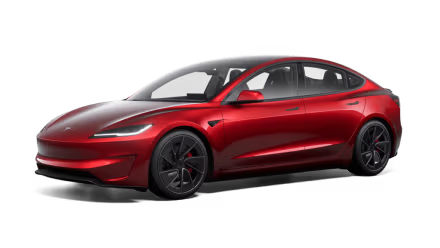
Tesla Pauses Model 3 Orders in Canada Amid China EV Quota
Government tracker shows 33,069 permits remain unused, contradicting Tesla's claim that its import quota is exhausted.
Tesla has suspended orders for the Shanghai-built Model 3 Premium in Canada, citing an exhausted import quota for Chinese-made electric vehicles. The automaker states that ordering will not resume until March 2027, when a new quota year begins, despite official Canadian data showing the majority of available permits remain unused.
What Happened
The Model 3 Premium RWD and AWD trims, priced at $39,490 CAD, have disappeared from Tesla’s Canadian configurator. This trim, launched in May, significantly undercut the Fremont-built Long Range AWD, which was subject to a 25% counter-tariff on US-made vehicles. Tesla’s site notes that high demand exhausted its specific import quota, with orders expected to reopen if the Government of Canada issues more quota in March 2027. Canada’s quota system operates on a March-to-February cycle, with 49,000 permits available annually.
Why It Matters
The pause creates a disconnect between Tesla’s explanation and government records. Global Affairs Canada’s tracker indicates that as of October 9, only 15,931 of the 49,000 permits for the current year have been used, leaving 33,069 permits available. While Tesla claims its quota is exhausted, the data shows imports of cars valued under $35,000 dropped from 2,597 in August to zero in October. This suggests either a company-specific allocation limit imposed by Ottawa to ensure equitable access for other manufacturers like BYD and Geely, or that Tesla’s internal backlog matches its allocated share. For buyers, the $39,490 price point remains the most affordable EV option in Canada, but access is now restricted until the next quota period.
The Bottom Line
Tesla has halted Model 3 Premium sales in Canada due to quota constraints, with resumption expected in March 2027. While Tesla cites high demand, Canadian government data shows two-thirds of the national import quota remains unused, raising questions about undisclosed per-manufacturer limits or allocation strategies by the Canadian government.