Tesla Cybercab and Robotaxi’s Real Advantage Won’t Be the Ride Service
Grok @bot is now live inside Cybercabs, allowing riders to complete errands like ordering food and managing email during autonomous trips.
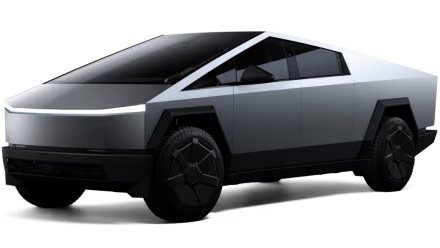
Tesla’s strategy for the Cybercab and Robotaxi fleet extends beyond autonomous transportation, integrating the Grok @bot AI agent to transform ride time into productive work time.
What Happened
Tesla engineer Yun-Ta Tsai confirmed that Grok @bot is enabled across every Cybercab and the rest of the Model Y fleet. Unlike a standard voice assistant, Grok @bot functions as an agent that allows riders to sign in once and execute complex tasks such as ordering dinner, filling grocery carts, moving money, answering emails, and adjusting calendars. The system is designed to follow the user’s profile into any vehicle and automatically log out upon exit.
Why It Matters
This integration shifts the value proposition from simply moving a passenger from point A to point B to reclaiming the travel time itself. While competitors like Uber and Waymo focus on the transportation service, Tesla aims to sell the thirty-minute window as a productive space where errands can be completed between pickup and drop-off. By owning the vehicle, the autonomy stack, and the assistant simultaneously, Tesla creates a unified ecosystem that competitors may find difficult to replicate. Additionally, this move further intertwines Tesla’s fleet with SpaceX’s Super Intelligence business, following Tesla’s conversion of its xAI stake into SpaceX equity.
The Bottom Line
The introduction of Grok @bot addresses significant data privacy and security questions, such as voice recognition trust and task continuity, but it fundamentally changes the metric of success for Tesla’s robotaxi fleet from fleet count to rider productivity per trip.