NHTSA Opens Inquiry Into Tesla Robotaxi Speeding Claims in School Zones
The federal probe covers approximately 1,000 retrofitted Model Ys and Cybercabs following a petition with video evidence.
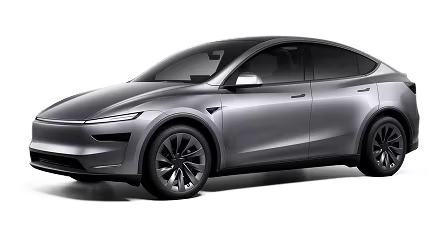
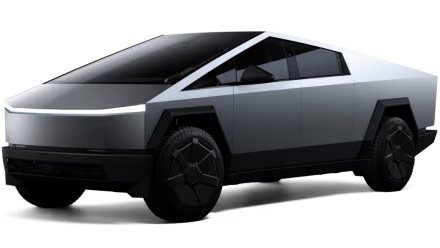
The National Highway Traffic Safety Administration (NHTSA) has initiated a defect petition inquiry into allegations that Tesla’s Robotaxi fleet exceeds speed limits in active school zones. The review targets approximately 1,000 vehicles, comprising both retrofitted Model Y robotaxis and purpose-built Cybercabs.
What Happened
The inquiry, opened on October 9, stems from a petition submitted on September 23 which alleges that Tesla’s Full Self-Driving (FSD) system fails to obey reduced speed limits in school zones. The petitioner included three videos as evidence. NHTSA has identified four incidents exhibiting this behavior: one formal complaint filed with the agency and three reports shared on social media. None of these incidents involved a collision, injury, or fatality. The agency is currently reviewing the evidence to determine whether to escalate the matter to a formal investigation.
Why It Matters
This marks the second NHTSA inquiry into Tesla’s driverless fleet in just over a month. In early September, the agency opened an investigation into how Tesla self-certified the Cybercab without a steering wheel, pedals, or side mirrors, and without applying for an exemption. Tesla has been granted a 30-day extension to respond to that probe, with a deadline of October 30 to answer 21 questions regarding federal compliance for turn signals, brakes, and passenger controls. While Robotaxi operations continue, the outcome of these reviews could impact Tesla’s expansion plans, which currently include a fleet of more than 300 Cybercabs in Austin and upcoming services in Dallas.
The Bottom Line
NHTSA has not yet determined if a safety defect exists in Tesla’s Robotaxi software. The agency’s decision on whether to open a formal investigation, along with Tesla’s upcoming response to the Cybercab certification probe, will clarify the regulatory challenges facing the company’s autonomous vehicle rollout.