Tesla Is Currently Charging Driverless Robotaxis by Hand [VIDEO]
A single employee was observed plugging in ten autonomous vehicles, including a Cybercab, at an Austin Supercharger.
Tesla’s autonomous vehicle fleet may drive themselves, but current operations still rely on human intervention for charging. A video circulating on X reveals that Tesla employees are manually plugging in driverless Robotaxis at public Superchargers in active markets like Austin.
What Happened
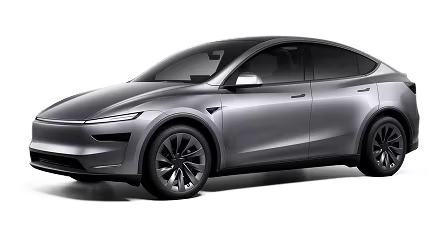
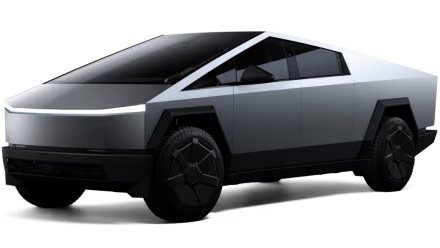
The footage, shared by user @WorldlyReviewer on October 3, 2026, shows ten Robotaxis arriving at a Supercharger with no occupants inside. The group consisted of one Cybercab and nine Model Y units. A Tesla employee waited for each vehicle to park itself before walking around to plug in the charging cables. The video captured the employee adjusting the position of one vehicle when it did not park close enough to reach the cable. The Cybercab, identifiable by its gold color, was seen driving through the lot at night and reversing into a stall, a maneuver necessitated by the placement of its NACS charge port behind a drop-down door in the rear bumper.
Why It Matters
This manual charging process highlights the transitional nature of Tesla’s current autonomy infrastructure. Teslarati noted that the setup reflects a "scrappy" approach reminiscent of Tesla’s earlier "production hell" era, which makes sense given that the Robotaxi service has only been running for approximately 15 months and the Cybercab joined the fleet in early September. The reliance on DC fast charging for the Cybercab is driven by technical constraints; the vehicle lacks an onboard AC charger, meaning it cannot use Wall Connectors or Mobile Connectors. While Tesla has received FCC approval for inductive wireless charging technology that uses Bluetooth and Ultra-Wideband radio for alignment, these systems are not yet widely deployed. Consequently, until private Robotaxi-only charging hubs—such as the planned 80-charger hub in Austin—are fully operational, human labor remains a critical component of the charging logistics for the autonomous fleet.
The Bottom Line
Tesla is currently using employees to manually charge driverless Robotaxis at public Superchargers. This interim solution bridges the gap between the current fleet operations and the future deployment of wireless charging infrastructure. With over 300 Cybercabs now in Austin and seven active Robotaxi markets, the company is sticking with inductive wireless charging plans despite competitors exploring automated docking alternatives.