Tesla Updates China-Made Model 3 and Y With V2L, Zen Gray, 16-Inch Screen
Bidirectional charging and hardware upgrades arrive in Q4 2026 deliveries for Asia-Pacific markets.
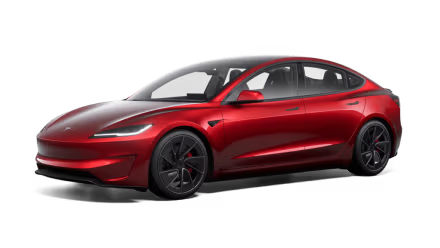
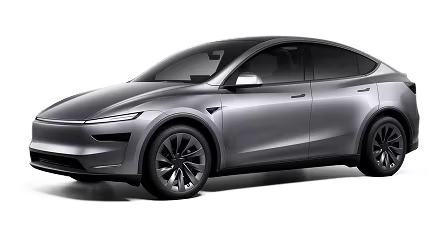
Gigafactory Shanghai has initiated a comprehensive hardware and aesthetic update for the Model 3 and Model Y, introducing Vehicle-to-Load (V2L) capability, a new interior color, and a larger central display. These changes will begin appearing in deliveries starting in the fourth quarter of 2026 for markets including China, Australia, New Zealand, and South Korea.
What Happened
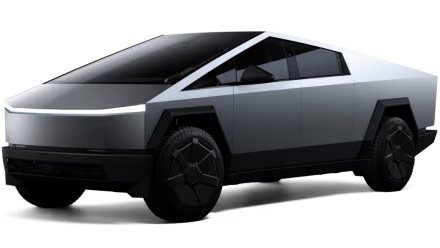
The most significant functional addition is bidirectional charging via V2L, which allows drivers to power external devices using the vehicle’s high-voltage battery. This feature, previously exclusive to the Cybertruck and select Model Y variants, is now being integrated into all Model 3 and Model Y trims manufactured at the Shanghai facility. The update requires specific power electronics, meaning existing vehicles cannot be retrofitted with this capability. Additionally, the center touchscreen on the Model 3 has expanded from 15.4 inches to 16 inches, with resolution increasing from 1920×1200 to 2560×1440 (QHD).
Interior aesthetics have also shifted, with Tesla retiring the 'Black and White' upholstery option in favor of 'Zen Gray' across the Model 3 Premium and Performance variants. The cabin now features an all-black headliner, replacing the previously used light gray material, a change already present in some Model Y builds. Externally, the 19-inch Nova wheels on Model 3 Premium trims now feature a darker gray finish. Tesla has also launched a base-level, single-motor Model 3 in Australia and New Zealand, offering a more affordable entry point alongside these hardware updates.
Why It Matters
For owners in Asia-Pacific and Oceania, this update closes the feature gap between the Model 3/Y and the Cybertruck, particularly regarding the utility of V2L for camping and emergency power. The standardization of parts, such as the 16-inch screen and Zen Gray interior, suggests Tesla is streamlining its supply chain across the Chinese production line. The non-retroactive nature of the V2L hardware emphasizes the importance of build date for buyers seeking specific capabilities. Furthermore, the introduction of the base Model 3 in Australia and New Zealand expands market accessibility, potentially boosting sales volume in regions where price sensitivity is high.
The Bottom Line
Tesla is rolling out substantial hardware upgrades to Shanghai-built Model 3 and Y vehicles starting in late 2026, including V2L, a 16-inch QHD screen, and Zen Gray interiors. While these changes enhance functionality and aesthetics for new buyers, they highlight Tesla's iterative production strategy and the inability to retrofit key hardware features like bidirectional charging on existing vehicles.