Tesla Secures $30 Billion in New Credit Lines From Citibank and Wells Fargo
The funding is earmarked for scaling Cybercab, Semi, and Optimus production, with no draw planned for 2026.
Tesla has secured $30 billion in fresh credit facilities from Citibank and Wells Fargo to support the scaling of its newest vehicle and robotics programs. The move comes as the automaker prepares for a significant increase in capital expenditure to bring the Cybercab, Semi, and Optimus to mass production.
What Happened
In a filing with the Securities and Exchange Commission (SEC), Tesla detailed three new financial instruments. The company agreed to a $20 billion, three-year delayed-draw term loan facility from Citibank, which matures on September 29, 2029. According to the filing, Tesla may draw from this facility no more than ten times during the 18 months following the closing date. Additionally, Tesla signed a five-year, $8 billion revolving credit facility with Wells Fargo, due September 29, 2031, with options for two separate one-year extensions. A third agreement includes a $2 billion, 364-day term credit facility with Wells Fargo, maturing September 28, 2027. Tesla noted it does not plan to utilize any of these loans in 2026.
Why It Matters
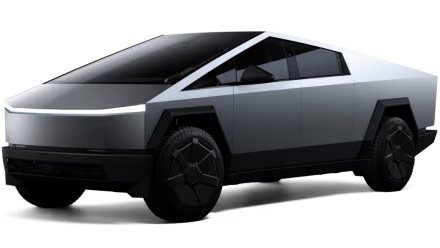
This capital injection is directly tied to Tesla’s ambitious manufacturing expansion for its latest products. The funds are intended to support the scaling of the Cybercab and Semi, both of which have launched, and the Optimus humanoid robot, which remains in heavy development. Each of these projects required new manufacturing capacity: the Semi utilizes a new factory in Sparks, Nevada; the Cybercab is produced at Gigafactory Texas; and Optimus production space was created at the Fremont Factory by ending Model S and X manufacturing. The credit lines provide financial backing for Tesla’s forecasted capital expenditures, which are expected to exceed $25 billion, a substantial rise from just over $8.5 billion in the previous year.
The Bottom Line
Tesla has locked in $30 billion in flexible credit from major banks to fund the next phase of its vehicle and robotics rollout. While the company does not intend to draw on these facilities in 2026, the agreements signal preparation for heavy capital spending in 2027 and beyond to support Cybercab, Semi, and Optimus production.