BMW Estimates 468-Mile Range for New I3 Sedan
The preliminary figure exceeds Tesla Model 3 EPA ratings and places the EV fourth among U.S. models by advertised range.
BMW has revealed preliminary specifications for its new electric 3 Series, the i3 50 xDrive, estimating a U.S. driving range of up to 468 miles. This claimed figure positions the sedan as one of the longest-range EVs available in the American market, surpassing the EPA-rated range of Tesla’s passenger car lineup.
What Happened
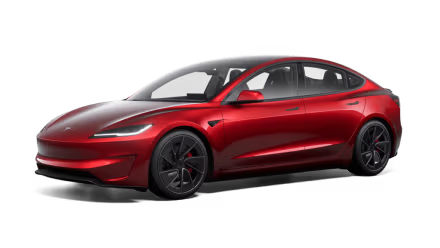
The i3 50 xDrive’s estimated 468-mile range is a preliminary figure that places it fourth among U.S. EVs by advertised range, trailing only the Lucid Air (512 miles), Chevrolet Silverado EV (493 miles), and GMC Sierra EV (478 miles). Among sedans, only the Lucid Air boasts a higher advertised range. This estimate contrasts with the EPA-rated 342-mile range of the Tesla Model 3 Long Range All-Wheel Drive and the 363-mile range of the single-motor Long Range version. In Europe, the same model claims up to 567 miles (912 kilometers) under the WLTP cycle.
The U.S. version of the i3 50 xDrive features an 800-volt architecture with two motors, delivering 463 horsepower and accelerating from 0 to 60 mph in 4.5 seconds. While the European battery capacity is confirmed at 108.7 kWh, BMW has not explicitly stated the U.S. capacity, though it is likely identical. The vehicle supports DC fast charging at up to 400 kW, with BMW stating that 10 minutes can add up to 208 miles of range in the U.S.
Hardware specifications differ by region: U.S. models will include a NACS port and a CCS adapter, whereas European models use CCS. AC charging is rated at up to 15.4 kW in the U.S., compared to 11 kW standard (with an optional 22-kW upgrade) in Europe. Pricing for the U.S. model starts at $61,500, or $62,850 including destination, with deliveries expected in the first quarter of 2027.
Why It Matters
For EV buyers, the i3 50 xDrive’s range estimate addresses one of the primary barriers to adoption: range anxiety. By offering a preliminary figure that exceeds Tesla’s most efficient sedans, BMW is positioning itself as a direct competitor for customers prioritizing long-distance capability over brand ecosystem. The inclusion of a NACS port at launch also signals BMW’s alignment with the emerging industry standard in North America, potentially reducing friction for drivers who rely on Tesla’s Supercharger network.
The 400-kW charging capability and the claim of adding 208 miles in 10 minutes further enhance the vehicle’s practicality for highway travel, challenging the convenience narrative often associated with Tesla’s charging infrastructure. However, buyers should note that the 468-mile figure is a manufacturer estimate, not an EPA certification, and real-world results may vary based on driving conditions and environmental factors.
The Bottom Line
BMW’s i3 50 xDrive enters the U.S. market with a compelling range estimate and fast-charging specs, directly challenging Tesla’s dominance in the premium sedan segment. With a starting price of $61,500 and Q1 2027 deliveries, it offers a high-range alternative backed by NACS compatibility. A more powerful i3 M60 xDrive is planned for 2027, but specific power and range figures have not yet been disclosed.