Tesla Builds First Cybercab With In-House Cathode Material
The milestone marks the first use of cathode produced at Tesla's new U.S. plant, a key step in its vertical integration strategy.
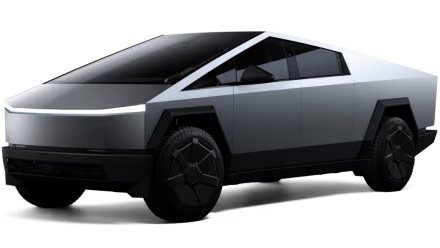
Tesla has officially built the first Cybercab using cathode material produced in-house at its newly operational cathode plant in the United States. The announcement, made on September 23, 2026, represents a significant advancement in the company’s efforts to vertically integrate its battery supply chain.
What Happened
According to posts on social media by Tesla’s Robotaxi account and CEO Elon Musk, the first Cybercab was manufactured using nickel cathode material locally produced at Gigafactory Texas. This facility, often referred to as "Project Cathode," is described as the first large-scale cathode production facility in North America. Tesla filed permits for the project in 2022 on land near Giga Texas, with the building frame reportedly up by mid-2022. The company invested hundreds of millions of dollars into the facility, which is designed to supplement 4680 cell production.
Why It Matters
Active cathode material is the most expensive component of a lithium-ion battery cell, often accounting for more than a third of the cell cost. Historically, the industry has sourced the majority of this material from Asia. By producing cathode material domestically, Tesla aims to shorten a supply chain that previously stretched thousands of miles, thereby reducing exposure to external price shocks and geopolitical risks. This move is a continuation of the vertical integration strategy Elon Musk outlined at Battery Day in 2020, where he promised to overhaul processes to cut costs and waste. For the Cybercab, a vehicle intended for high-utilization within the Robotaxi network, controlling battery costs is arguably as critical as the autonomous software driving it.
The Bottom Line
While Tesla is not yet fully independent of foreign suppliers for all precursor metals, the first Cybercab built with in-house cathode marks a tangible step toward closing the most expensive gap in its battery production. The timing aligns with the recent launch of initial public rides for the Cybercab and the company's stated goal of scaling production along a planned S-curve.