Tesla Builds First Cybercab Using In-House Battery Materials
The milestone vehicle incorporates proprietary 4680 cells, signaling progress in vertical integration for the robotaxi.
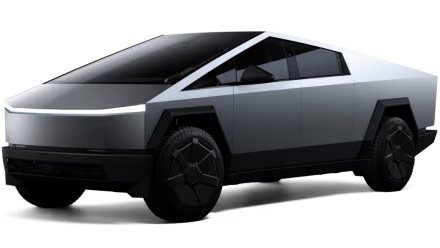
Tesla has constructed its first Cybercab prototype using battery cells manufactured with in-house materials, marking a significant step in the company’s vertical integration strategy for its autonomous vehicle lineup.
What Happened
According to reports from Not a Tesla App, the first physical build of the Cybercab has been completed utilizing 4680 battery cells that incorporate Tesla’s proprietary cathode and anode materials. This development confirms that Tesla is proceeding with the production of the Cybercab using its own battery chemistry, rather than relying exclusively on external suppliers for the initial units.
Why It Matters
The successful integration of in-house battery materials into the Cybercab prototype is critical for Tesla’s long-term goal of reducing vehicle costs and securing supply chain independence. As the Cybercab is designed to be a low-cost, mass-produced robotaxi, the ability to manufacture its most expensive component—the battery pack—internally is essential for achieving the aggressive price points required for widespread autonomous fleet adoption. This milestone suggests that Tesla’s internal battery production has matured enough to support the specific requirements of the Cybercab platform.
The Bottom Line
Tesla has built the first Cybercab prototype with in-house battery materials, demonstrating progress in its vertical integration efforts for the upcoming autonomous vehicle.