Mercedes Taps Wayve for Tesla FSD-Like System Within 2 Years
The partnership aims to deploy AI-powered driver assistance in new models by 2028, challenging Tesla's current lead in autonomous software.
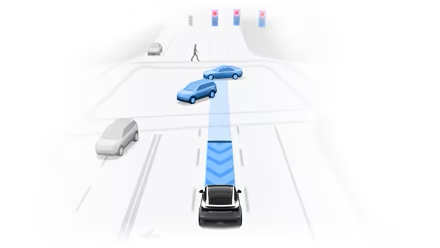
Mercedes-Benz has announced a strategic partnership with AI startup Wayve to develop a next-generation driver assistance system. The collaboration targets a deployment window of approximately two years, aiming to bring a system comparable to Tesla’s Full Self-Driving (FSD) to European and global markets.
What Happened
Mercedes-Benz and Wayve have formalized an agreement to integrate Wayve’s advanced AI-driven driver assistance technology into Mercedes vehicles. The source material indicates that this system is expected to be available in new models within two years. This move represents a significant shift for Mercedes, which has previously relied on traditional sensor-fusion approaches and partnerships with companies like Nvidia and Mobileye, toward a more end-to-end AI solution similar to the architecture Tesla has championed for FSD.
Why It Matters
For the EV market, this partnership signals that legacy automakers are accelerating their efforts to catch up with Tesla’s software-defined vehicle strategy. Tesla has long maintained that its vision-based, AI-first approach to autonomy is a key differentiator, requiring massive data collection and neural network training. By teaming up with Wayve, a specialist in AI for autonomous driving, Mercedes aims to bypass some of the slower, incremental development paths typical of traditional OEMs. If successful, this could offer buyers in Europe and other regions a viable alternative to Tesla’s FSD, potentially intensifying competition in the high-end autonomous driving segment.
The Bottom Line
Mercedes-Benz is betting on AI startup Wayve to deliver a Tesla FSD-like driver assistance system within the next two years, marking a rapid pivot in the race for autonomous software dominance.