Tesla Cybercab Inherits Persistent Navigation Issues From Current Models
Despite its autonomous focus, the Cybercab reportedly shares the same map data inaccuracies that frustrate current Tesla owners.
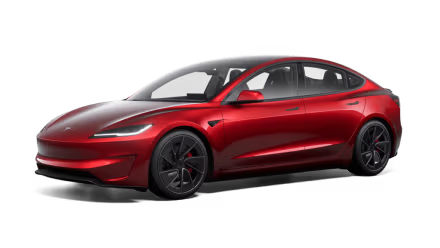
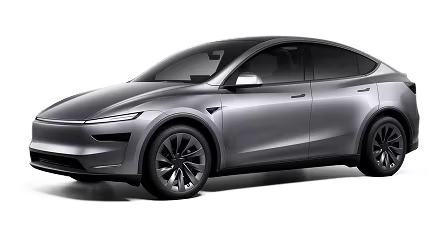
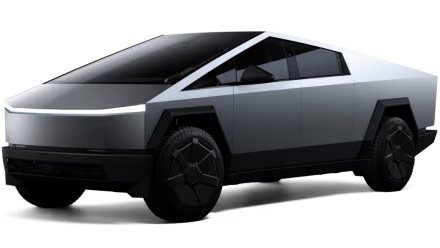
Tesla’s upcoming Cybercab may not solve one of the most common complaints from current owners: inaccurate navigation. Reports indicate that the dedicated robotaxi will inherit the same map data issues that have plagued the existing Model 3, Model Y, Model S, and Model X lineup.
What Happened
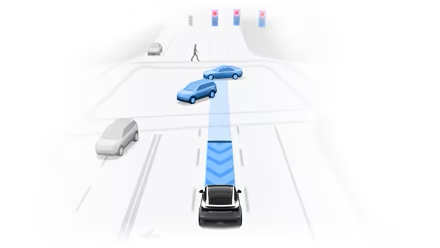
According to recent coverage, the Cybercab is expected to utilize the same underlying navigation infrastructure as current Tesla vehicles. This means that despite the vehicle’s design being optimized for Full Self-Driving (FSD) without a steering wheel or pedals, it will still rely on the same map database that frequently provides incorrect routing information, such as wrong turn restrictions, outdated road layouts, or inaccurate points of interest.
Why It Matters
For current Tesla owners, navigation errors are a top-tier frustration, often requiring manual overrides or causing confusion in complex urban environments. The concern for the Cybercab is amplified because the vehicle lacks a driver to intervene. If the navigation system directs the Cybercab down a one-way street or into a restricted zone, the vehicle’s ability to self-correct relies entirely on its perception systems rather than human input. This raises questions about how Tesla plans to handle map discrepancies when there is no passenger with a screen to confirm or correct the route.
The Bottom Line
The Cybercab’s success depends not just on FSD software, but on the quality of the map data it inherits. Until Tesla resolves the navigation inaccuracies that affect current models, the robotaxi faces potential operational hurdles that could impact reliability and rider trust.