Tesla Cybercab Turns 10-Minute Austin Trip Into 70-Minute Detour
The autonomous prototype took seven times the expected duration to complete a short urban route.
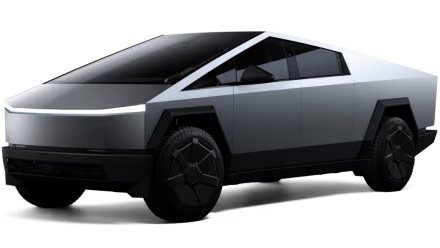
Tesla’s Cybercab prototype reportedly took 70 minutes to complete a trip in Austin that typically requires just 10 minutes, highlighting potential challenges in the vehicle’s autonomous navigation logic.
What Happened
According to reports from Electrek, the Tesla Cybercab, Tesla’s dedicated autonomous robotaxi prototype, experienced a significant delay during a test drive in Austin. The vehicle, designed for point-to-point autonomous travel, took seven times the expected duration to complete a short urban route. Instead of the anticipated 10-minute journey, the Cybercab required 70 minutes, suggesting either a severe routing error, excessive caution by the Full Self-Driving (FSD) stack, or an unexpected detour.
Why It Matters
For Tesla’s robotaxi ambitions, efficiency is paramount. The Cybercab is marketed as a low-cost, high-utilization vehicle for autonomous ride-hailing. If the current FSD software struggles with basic urban routing or takes excessively long paths, it undermines the economic viability of the service. Faster trips mean more rides per day per vehicle; a 70-minute trip for a 10-minute distance reduces daily revenue potential by nearly 85%. This incident raises questions about the readiness of the autonomous stack for unsupervised commercial deployment.
The Bottom Line
While Tesla continues to refine its FSD capabilities for the Cybercab, this incident serves as a reminder that autonomous vehicles must master not just safety, but also efficiency and logical routing to succeed in the competitive robotaxi market.