Rush to Promote Unsupervised Tesla FSD Videos Raises More Questions
Recent promotional clips highlighting autonomous driving capabilities face scrutiny over verification and context.
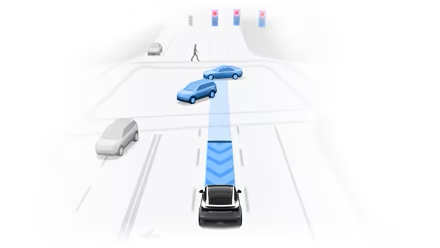
Tesla's increasing release of video content showcasing Full Self-Driving (FSD) capabilities is drawing attention to the gap between promotional imagery and verified autonomous performance.
What Happened
Recent reports highlight a surge in the distribution of videos depicting Tesla vehicles operating in unsupervised or lightly supervised modes. These clips are often shared rapidly across social media and official channels to demonstrate the maturity of the FSD software stack. However, the source material indicates that this rush to publish such footage has sparked debate regarding the context of the drives, including whether the vehicles were operating within geofenced areas, during low-traffic periods, or with specific route optimizations that do not reflect typical daily driving conditions.
Why It Matters
For owners and potential buyers, the distinction between a curated demonstration video and consistent, unsupervised autonomy is critical. While these videos serve as powerful marketing tools, they may create unrealistic expectations about the current state of the technology. If the public perception of FSD outpaces the regulatory and technical reality, it could lead to misuse of the system, increased scrutiny from safety regulators like the NHTSA, and a potential erosion of trust if the actual user experience does not match the polished highlights seen online.
The Bottom Line
Tesla's strategy of aggressively promoting FSD videos continues to generate buzz, but it also invites closer examination of the data behind the demonstrations. The industry will likely watch closely to see if these promotional efforts translate into broader, independent validation of unsupervised driving capabilities.