Tesla Cybercab Lacks Onboard Charging Hardware for Home Use
The autonomous robotaxi relies exclusively on inductive charging pads at Supercharger stations, omitting standard plug-in ports.
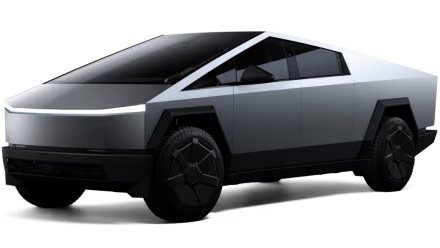
Tesla’s upcoming Cybercab, the company’s dedicated robotaxi, will not support home charging via a standard plug. Instead, the vehicle is designed to rely exclusively on Tesla’s inductive charging infrastructure.
What Happened
According to reports from InsideEVs, the Cybercab will feature onboard inductive charging capabilities but will lack the conventional charging port hardware required for plug-in connections. This design choice means the vehicle cannot be charged using standard home wall connectors or portable mobile connectors. The charging strategy is tightly coupled with Tesla’s Supercharger network, specifically utilizing inductive pads embedded in the ground at these stations.
Why It Matters
This limitation reinforces the Cybercab’s identity as a fleet vehicle rather than a consumer-owned product. By removing the plug, Tesla streamlines the vehicle’s design and reduces manufacturing costs, aligning with the goal of achieving a sub-$30,000 price point. However, it also signals that the Cybercab is not intended for individual ownership where home charging is a primary convenience. Owners of future Cybercabs will be entirely dependent on the density and availability of Tesla’s inductive charging pads, a network that is currently in the early stages of deployment compared to the ubiquitous plug-in Supercharger stalls.
The Bottom Line
The Tesla Cybercab will not have a plug-in charging port, requiring users to rely on inductive charging pads at Tesla Supercharger locations. This design underscores the vehicle’s role as a dedicated autonomous fleet unit rather than a standard personal EV.