Tesla Updates Cybertruck Side Repeater Cameras With Passive Airflow Design
The revised housing uses aerodynamics to clear water from lenses, improving visibility without adding cost or active washers.
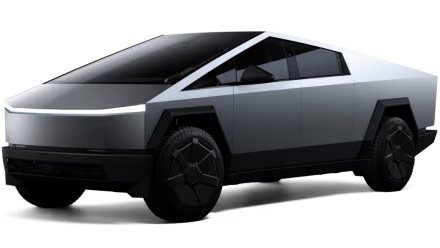
Tesla has introduced a subtle but significant design update to the Cybertruck’s side repeater cameras, leveraging passive aerodynamics to maintain clear vision in wet conditions without incurring additional manufacturing costs.
What Happened
On September 8, Cybertruck lead engineer Wes Morrill shared side-by-side images of the updated camera housing now being produced at Gigafactory Texas. The change involves a revised contour on the triangular camera pod mounted on the front fender. While visually similar to the previous version, the new housing utilizes passive geometry to create localized airflow disturbances. These aerodynamic eddies physically push water droplets away from the optical surface, keeping the lens clearer during rain and road spray.
Why It Matters
The side repeater cameras are critical for Autopilot and Full Self-Driving features, particularly for lane changes and blind-spot monitoring. In early production models, water accumulation on these exposed lenses often degraded image quality, forcing owners to manually wipe the cameras or accept temporary restrictions on driver-assistance features. By solving this issue through passive design rather than active hardware, Tesla avoids the cost, complexity, and potential leak points associated with adding camera washers. Morrill described the update as "pure vision improvement" achieved at "no cost penalty," noting that once the production mold is updated, the parts cost the same as the originals. This enhancement improves the reliability of driver-assistance systems precisely when they are most needed, without consuming extra energy or introducing new failure modes.
The Bottom Line
New Cybertrucks built after the tooling changeover will automatically include the updated camera housing. Owners of trucks delivered as late as June 2026 have already confirmed receiving the revised part. While the cameras appear electrically compatible with earlier models, Tesla has not yet announced an official retrofit service program. This incremental refinement highlights Tesla’s ongoing efforts to improve the Cybertruck’s usability and safety through cost-effective engineering solutions.