Tesla Primes Cybercabs for 4K Streaming and High Bandwidth Gaming With Starlink Integration
Drone footage shows Starlink hardware becoming standard equipment on Cybercabs leaving Gigafactory Texas.
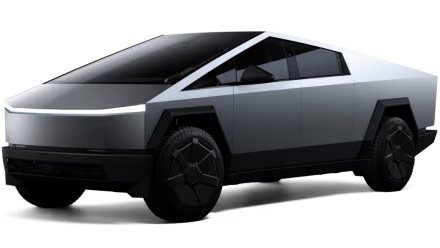
Tesla is integrating Starlink hardware directly into its Cybercab robotaxis, with recent factory footage indicating the satellite module is now shipping as standard equipment rather than a rare retrofit.
What Happened
According to drone footage captured by Austin observer Joe Tegtmeyer on Tuesday, numerous gold Cybercabs are leaving Gigafactory Texas equipped with Starlink antennas on their rear hatches. This marks a significant shift in production, as the hardware appears in large numbers in the outbound lot alongside Model Y Long Wheelbase units. The integration follows earlier reveals, including a joint Tesla and Starlink cutaway diagram in July and the first confirmed working vehicle in August. Ashok Elluswamy, Tesla’s VP of AI software, previously stated that the connection is not required for autonomous driving but is intended for navigation, customer service, and fleet monitoring.
Why It Matters
The move supports Elon Musk’s vision for the robotaxi network, which he argues requires high-bandwidth connectivity to prevent vehicles from getting stranded in cellular dead zones, or what he calls “Bermuda Triangles.” Musk has publicly pitched the Starlink integration as an entertainment upgrade, promising riders the ability to stream 4K video and play games during trips. However, the utility of this hardware remains under scrutiny. Tesla’s unsupervised robotaxi service currently operates in dense metro geofences in Texas and Florida, areas with robust existing cellular coverage, rather than the rural environments where satellite connectivity would be most critical. The deployment in Houston and near Miami International Airport suggests Tesla is preparing for broader scale, but the immediate operational necessity in current service areas is unclear.
The Bottom Line
Tesla has moved from prototype Starlink integrations to volume production for its Cybercab fleet, fulfilling a key part of its autonomous vehicle infrastructure plan. While the hardware enables advanced entertainment and fleet management features, its impact on the core autonomy stack remains secondary to cellular networks in the company’s current launch markets.