Tesla Cybercab Specs Include Supermanifold V3 and No Rare Earth Magnets
New details reveal the robotaxi will utilize a unified casting structure and magnet-free motors to lower production costs.
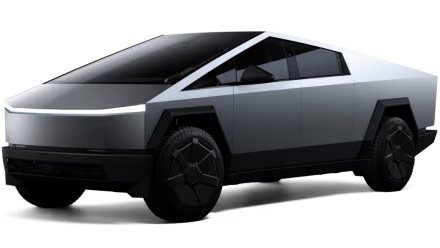
New technical specifications for Tesla's upcoming Cybercab have surfaced, highlighting the adoption of the "Supermanifold V3" manufacturing process and a shift away from rare earth magnets in the vehicle's drivetrain. These developments align with Tesla's stated goal of achieving a sub-$30,000 price point for its dedicated autonomous robotaxi.
What Happened
According to recent reports, the Cybercab will utilize a new structural casting method referred to as "Supermanifold V3." This technique represents an evolution of Tesla's existing gigacasting technology, aiming to further reduce part count and assembly time. Additionally, the vehicle's electric motors are expected to forgo rare earth magnets, a move that simplifies the supply chain and reduces reliance on volatile raw material markets.
Why It Matters
For the broader EV market, the removal of rare earth magnets is a significant engineering shift that could lower the baseline cost of production for Tesla's autonomous fleet. By combining this with the Supermanifold V3 casting process, Tesla is aggressively targeting manufacturing efficiency. These changes are critical to the economics of the Cybercab, which Tesla has positioned as a low-cost, high-volume autonomous vehicle intended to scale the company's Full Self-Driving (FSD) network without the traditional overheads of human-driven car ownership.
The Bottom Line
The Cybercab's move toward rare-earth-free motors and advanced unified casting underscores Tesla's focus on radical cost reduction to enable a viable robotaxi business model.