Analysis Suggests Tesla Would Keep Cybercab if Fleet Economics Were Strong
Critics argue that selling the vehicle to consumers indicates Tesla is not yet achieving autonomous fleet profitability.
A new analysis suggests that Tesla's decision to sell the Cybercab to individual consumers may indicate that the company's autonomous robotaxi fleet has not yet reached the profitability levels originally envisioned.
What Happened
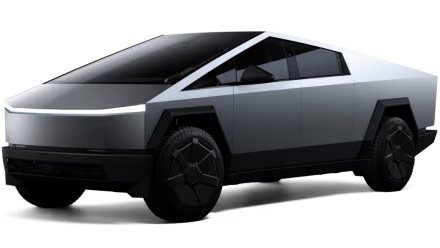
Electrek reports on a line of reasoning positing that if Tesla's Cybercab fleet were truly profitable through autonomous operations, the company would likely retain the vehicles for its own Robotaxi service rather than selling them to the public. The article highlights the strategic contradiction between offering the Cybercab as a consumer product and the long-held promise of a high-margin, driverless fleet.
Why It Matters
This perspective challenges the core value proposition Tesla has marketed for the Cybercab. For years, the vehicle was presented not just as a car, but as a revenue-generating asset for owners who could opt into the network. If the fleet economics are not strong enough to justify Tesla keeping the cars, it suggests that the autonomous revenue stream may not yet be the primary driver of the vehicle's business case, potentially shifting the focus back to traditional vehicle sales margins.
The Bottom Line
The Cybercab's availability for purchase signals that Tesla may be prioritizing unit sales over immediate fleet autonomy profitability, or that the technology requires more time to achieve the economic targets that would make internal fleet retention the obvious choice.