Tesla Ran Stop Sign and Killed Man, Records Confirm Autopilot Active
Telematics data from the Buena Vista crash confirms driver-assist features were engaged at the time of the fatal incident.
A fatal collision in Buena Vista, Colorado, involving a Tesla that ran a stop sign and killed a man has been linked to the vehicle's driver-assist technology, according to newly released records. Telematics data confirms that Autopilot or Full Self-Driving (FSD) features were active at the moment of impact.
What Happened
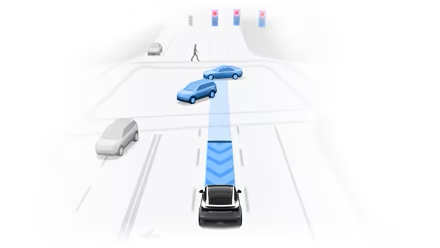
The incident occurred when a Tesla failed to stop at a designated stop sign, striking and killing a man. Subsequent analysis of the vehicle's onboard records revealed that the car's driver-assist systems were engaged during the approach to the intersection. The data serves as critical evidence in determining the role of autonomous features in the crash.
Why It Matters
This confirmation highlights the ongoing debate surrounding the safety and reliability of Tesla's Autopilot and FSD systems, particularly in complex urban environments with stop signs. For owners and buyers, it underscores the importance of remaining vigilant while using driver-assist features, as the technology is not yet capable of handling all traffic scenarios without human oversight. The case may also influence regulatory scrutiny and public perception of semi-autonomous driving capabilities.
The Bottom Line
Records from the Buena Vista crash confirm that Tesla's driver-assist technology was active when the vehicle ran a stop sign, resulting in a fatality. The incident serves as a stark reminder of the limitations of current autonomous driving systems.