Tesla Cybercab Doesn't Support AC Charging
The autonomous vehicle relies exclusively on DC fast charging, eliminating the need for onboard AC charging hardware.
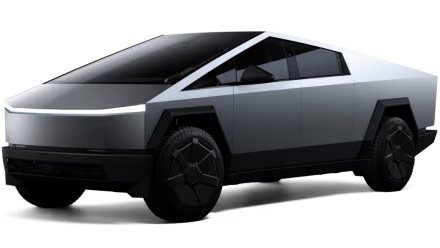
Tesla’s upcoming autonomous vehicle, the Cybercab, will not support AC charging, relying solely on DC fast charging infrastructure. This design choice streamlines the vehicle's hardware but limits its charging flexibility to specific high-power stations.
What Happened
According to reports from Not a Tesla App, the Cybercab is being engineered without an onboard AC charging system. This means the vehicle cannot plug into standard home charging units or public Level 2 chargers that rely on alternating current. Instead, it must connect directly to DC fast chargers, such as Tesla's Supercharger network, to replenish its battery.
Why It Matters
For the average consumer, the lack of AC charging would be a significant inconvenience, requiring a dedicated high-power connection for every charge. However, the Cybercab is designed primarily for Tesla's Robotaxi network, where vehicles are expected to return to centralized hubs equipped with high-throughput DC charging. By removing the onboard AC charger, Tesla reduces weight, complexity, and cost, aligning with the goal of making the Cybercab one of the cheapest vehicles in its lineup. This decision underscores that the Cybercab is not intended for traditional personal ownership with home charging, but rather for fleet operations where rapid turnaround times are critical.
The Bottom Line
The Cybercab's reliance on DC-only charging reflects its role as a dedicated autonomous taxi rather than a versatile personal EV. Owners or fleet operators will need access to Superchargers or equivalent DC infrastructure, and the vehicle will not be compatible with standard home or workplace AC chargers.