Cybercab Joins Tesla's Robotaxi Fleet With Cheaper Fares
The dedicated autonomous vehicle enters the fleet, aiming to lower ride costs compared to current human-piloted options.
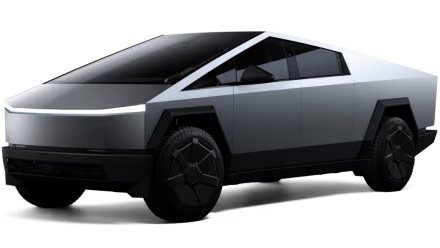
Tesla has integrated the Cybercab into its robotaxi fleet, marking a significant step in the company's autonomous ride-hailing strategy. The move introduces a new vehicle class designed specifically for autonomous operations, accompanied by lower fare structures for riders.
What Happened
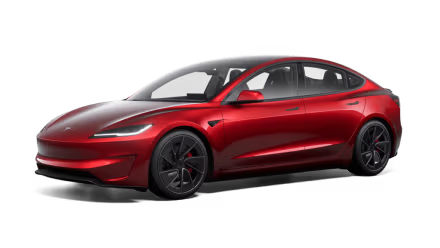
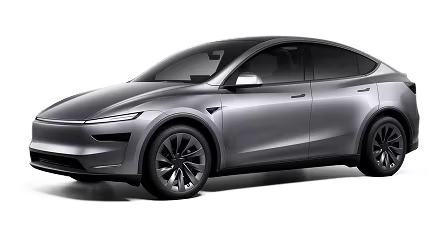
The Cybercab, Tesla's purpose-built autonomous vehicle, is now operating within the robotaxi fleet. Unlike previous iterations that relied on modified Model Y or Model 3 vehicles, the Cybercab features a minimalist design optimized for two passengers and zero manual controls. Its deployment is paired with a pricing model that offers reduced fares, leveraging the efficiency gains expected from a vehicle engineered exclusively for autonomous service.
Why It Matters
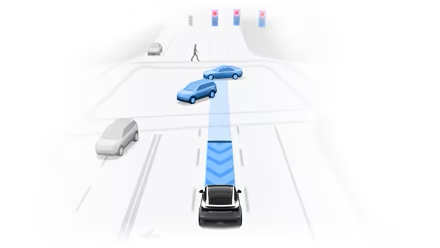
For Tesla owners and prospective buyers, this transition signals the shift from retrofitting existing cars to deploying dedicated autonomous hardware. Lower fares are critical for scaling the robotaxi network, as they make autonomous rides more competitive with traditional ride-hailing services and public transit. This move also tests the viability of a business model that relies entirely on full self-driving capabilities without a safety driver, a key milestone for Tesla's autonomy roadmap.
The Bottom Line
Tesla has officially launched the Cybercab in its robotaxi fleet with cheaper fares, transitioning from modified production cars to a dedicated autonomous vehicle to improve unit economics and accelerate the adoption of self-driving ride-hailing.