The Tesla Cybercab Has No Brake Lines or Brake Fluid. Here's How It Stops
Tesla's robotaxi relies on regenerative braking and motor torque reversal rather than traditional hydraulic systems.
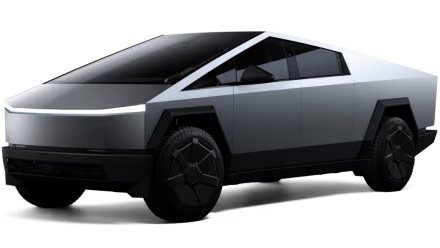
Tesla's Cybercab robotaxi features no traditional brake lines or brake fluid, relying instead on electric motor-based braking technology.
What Happened
The Tesla Cybercab is designed without conventional hydraulic braking components. Instead of brake lines and fluid, the vehicle uses regenerative braking combined with motor torque reversal to slow and stop the car. This approach eliminates the need for mechanical friction brakes in normal driving conditions, though traditional calipers may be retained as a backup system.
Why It Matters
For owners and buyers considering autonomous vehicles, this design represents a fundamental shift in how EVs handle deceleration. Removing hydraulic braking components reduces maintenance needs and potential failure points. For the broader market, it signals Tesla's continued push toward simplifying vehicle architecture through software-controlled stopping mechanisms tied directly to its Full Self-Driving suite.
The Bottom Line
The Cybercab's brake-free design is a direct consequence of its autonomous focus, relying on electric motor control rather than driver-operated hydraulic systems. How this performs in real-world conditions remains to be seen as the vehicle moves closer to production.