Toyota's Tesla-FSD-Like System Arrives in 2028, but With Key Differences
The system is expected to combine camera-based and radar sensing rather than relying solely on cameras like Tesla.
Toyota is developing an advanced autonomous driving system designed to rival Tesla's Full Self-Driving, with plans for a commercial launch around 2028.
What Happened
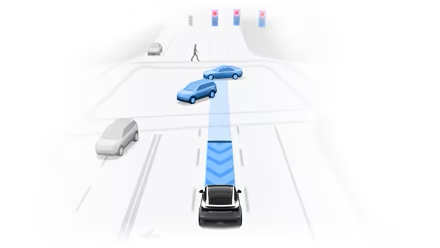
Reports indicate Toyota has been working on its own autonomy platform that mirrors Tesla FSD in ambition but diverges in technical approach. The Japanese automaker is reportedly pursuing a sensor fusion strategy combining cameras with radar, unlike Tesla's vision-only approach championed by Elon Musk. Development timelines suggest the system could appear first in premium Toyota and Lexus models before potentially rolling out more broadly.
Why It Matters
For Tesla's FSD business, Toyota's entry signals growing OEM competition in the advanced driver assistance space. While Tesla has years of real-world data and a camera-centric philosophy, traditional automakers like Toyota bring manufacturing scale and brand trust that could appeal to buyers hesitant about unproven autonomy tech. The different technical approaches—Toyota's hybrid sensors versus Tesla's vision-only stack—also reignite industry debates about the best path to autonomous capability.
The Bottom Line
Toyota's planned 2028 launch positions it as a serious contender in the advanced driving assistance market, directly challenging Tesla FSD with a potentially different technical philosophy. Whether this timeline holds and how the systems compare in real-world performance remains to be seen.