Tesla Expands Driverless Robotaxi Geofence in Austin
The service area grew roughly 9 percent to 288 square miles, adding about 24 square miles of coverage northward toward Pflugerville.
Tesla has expanded the operational geofence for its driverless Robotaxi service in Austin, Texas, growing the coverage area by roughly 9 percent for the first time in about ten months.
What Happened
The updated Service Area for Robotaxi now spans approximately 288 square miles, up from about 264 square miles previously. The expansion adds approximately 24 square miles of coverage and extends the geofence northward toward Pflugerville along the US 183 corridor. Newly included areas encompass neighborhoods north of the Domain and locations such as Mesa Park—higher-end residential and commercial districts that previously sat just outside the allowed operating zone. Riders can now request unsupervised trips that begin or end in these newly added locations, provided the entire route remains inside the digital boundary.
Why It Matters
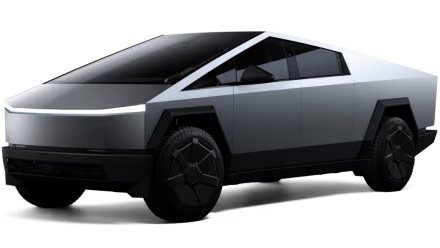
The modest nine percent increase still carries weight for daily utility. Longer trips become possible, more residents gain access to driverless service, and the fleet can accumulate more diverse real-world data across new road types and traffic patterns. Observers note that the added territory aligns with existing Tesla service infrastructure, which could support more efficient vehicle staging in the North end of Austin. Although Tesla continues to operate a relatively small unsupervised fleet in the city—prioritizing safety and software readiness over rapid geographic scaling—this latest map update signals the company remains committed to expanding Robotaxi availability as it prepares for further software improvements and potential Cybercab deployments.
The Bottom Line
The 288-square-mile zone now gives Austin riders one of the larger driverless service areas currently available in the United States. Tesla first launched public Robotaxi operations in Austin in mid-2025 with a modest initial zone of about 20 square miles, and subsequent enlargements have steadily grown the map to cover much of the metropolitan area.