Nevada Opens the Door to Thousands of Paid Robotaxis With Tesla Poised to Compete
The Silver State has finalized a framework allowing autonomous vehicle services to charge fares, with Tesla's FSD technology positioned against Waymo and Uber.
Nevada has established a regulatory pathway that could enable thousands of paid robotaxi operations, with Tesla's Full Self-Driving technology positioned as a competitive option in the emerging commercial autonomous vehicle market.
What Happened
The Nevada Transportation Authority has finalized rules governing commercial robotaxi services, clearing the way for companies to operate autonomous vehicles for pay on public roads. The framework establishes permit requirements, safety standards, and operational guidelines for fleet operators looking to launch paid rideshare services using self-driving technology. Under the new structure, multiple companies—including Tesla, Waymo, and Uber—could seek permits to deploy autonomous fleets capable of generating revenue through fare collection.
Why It Matters
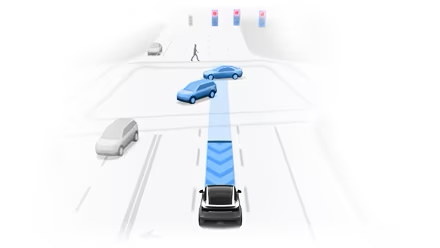
For Tesla owners and prospective buyers, Nevada's move represents a potential turning point for FSD-enabled vehicles in commercial ride-hailing. Unlike competitors that rely on purpose-built autonomous hardware, Tesla's approach leverages its existing vehicle fleet with over-the-air software updates, potentially allowing a faster path to deployment at scale. The regulatory clarity also signals broader acceptance of autonomy as a commercial reality rather than a distant promise, which could influence purchasing decisions for those considering the long-term value proposition of Tesla's self-driving technology.
The Bottom Line
Nevada's finalized robotaxi framework removes a key regulatory barrier for commercial autonomous vehicle services. How quickly Tesla can leverage its FSD capabilities within this new structure—and whether other states follow Nevada's approach—will shape the timeline for widespread paid robotaxi operations.