Tesla Intentionally Slowing Model Y Robotaxi Integration to Prioritize Cybercab Scaling
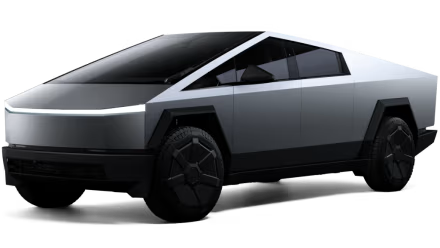
JPMorgan analysts say Tesla expressed confidence in its purpose-built Cybercab reaching production scale faster than adding more modified Model Ys.
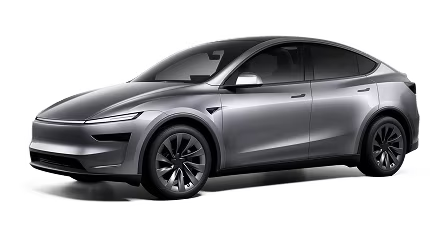
Tesla is deliberately limiting the addition of Model Y vehicles to its Robotaxi fleet, prioritizing instead the near-term scaling of its purpose-built Cybercab, according to JPMorgan analysts who toured the Fremont Factory this month.
What Happened
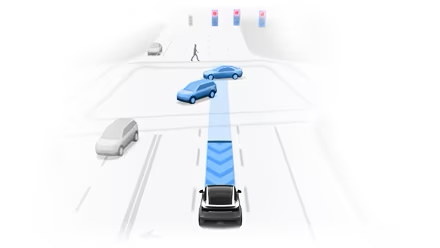
JPMorgan analysts met with Tesla's investor relations team during a recent factory visit. According to the bank's note, Tesla acknowledged it is intentionally holding back on adding Model Y units to the robotaxi fleet. The company expressed confidence in its ability to scale Cybercab production and deployment in the coming months. Tesla also provided details on FSD V15, describing it as a step-change in performance comparable to the leap from V13 to V14. The update encompasses seven core technologies, with roughly 40 percent currently undergoing testing in the existing robotaxi fleet where initial feedback has been described as encouraging.
Why It Matters
For current and prospective Tesla owners, this strategic pivot signals that the company sees its dedicated Robotaxi platform as more economically viable than retrofitting consumer vehicles. The Cybercab is designed without a steering wheel or pedals, optimized for high utilization on single- and two-passenger trips—the majority of rides in urban markets. By slowing Model Y conversions, Tesla appears to be preserving retail inventory while betting that purpose-built autonomy will deliver better unit economics. The FSD V15 software update, already running on the existing AI4 hardware stack, is positioned as the gateway to scaling unsupervised autonomous operation.
The Bottom Line
Tesla's decision to slow Model Y robotaxi integration reflects a calculated prioritization of its Cybercab platform over modified consumer vehicles for fleet expansion. With FSD V15 testing underway and early feedback positive, management believes the purpose-built vehicle offers a clearer path to scalability than continuing to convert existing inventory.