Tesla Semi Finally Has an FSD Timeline, and It's Waiting on Cybercab
Elon Musk said self-driving capability for the truck is expected to start working around late 2026 or early 2027.
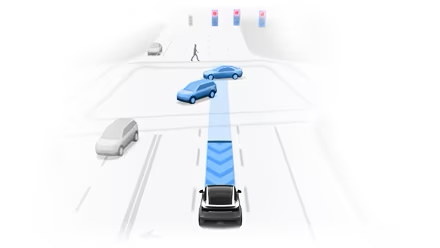
During Tesla's Q2 earnings call, Elon Musk provided the first concrete timeline for autonomous driving on the Semi truck, saying self-driving capability is expected to start working "around the end of this year or early next year."
What Happened
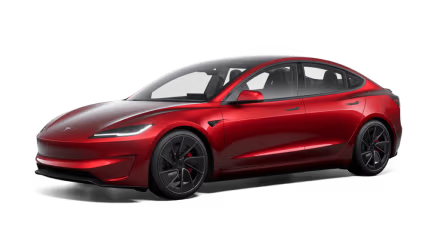
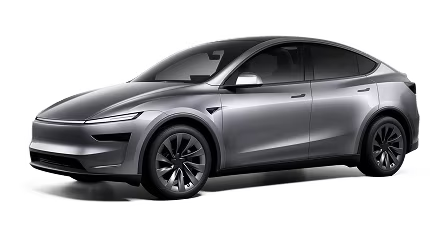
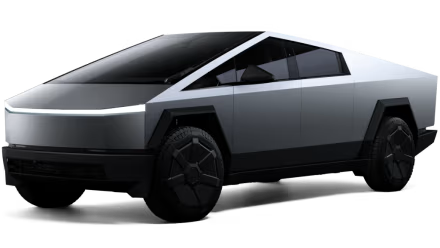
Musk framed the delay as a matter of priority rather than technical readiness. Tesla's self-driving team remains focused on Model 3, Model Y, and Cybercab—vehicles that make up the overwhelming majority of Tesla's fleet. Since Semi trucks on the road represent only a small fraction of total vehicles even after the recent Nevada factory ramp, Musk said it made more sense to keep software attention on "the march of nines of safety" for higher-volume vehicles first. Autonomous Semi development is currently "taking a bit of a backseat for the next six months or so," he noted, before adding that FSD will "definitely be working next year and in time for the scale-up to high production of the Tesla Semi." The timeline aligns with recent road sightings: in June, a Semi was spotted in Sunnyvale wearing a full validation rig—the same rooftop sensor array Tesla mounts on vehicles ahead of an FSD milestone. A second unit appeared near Fremont days later with matching camera suite and lens washers.
Why It Matters
For fleet operators considering the Semi, the timeline means autonomy remains a future promise rather than an imminent feature. Musk's own language is careful: self-driving "working" by early 2027 describes internal validation catching up to hardware already built into every production truck—not a public unsupervised rollout. The production Semi's exterior carries ten AI4-based cameras integrated directly into the body, confirming these trucks are designed from the start for autonomous operation. But with 4680 battery cell output cited as the near-term constraint on both Semi and Cybercab production, Tesla's autonomy team is essentially waiting for the Cybercab program to mature before shifting attention back to the truck.
The Bottom Line
Tesla Semi FSD is now officially on the roadmap—sometime between late 2026 and early 2027—but only after Tesla clears its current autonomy workload. The hardware is already in place; it's software validation that's holding the timeline.