Tesla FSD to Learn Individual Driver Preferences, Musk Says
The system will remember interventions for parking maneuvers, HOV lane behavior and other personalized driving habits.
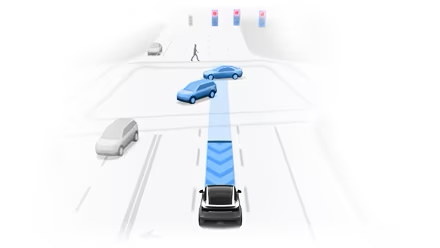
Elon Musk provided additional details on Tesla's plans to improve Full Self-Driving by having the system learn individual driver preferences, aiming to reduce the number of interventions owners need to make.
What Happened
Musk said on July 18 that Tesla planned to roll out an update allowing cars to "remember your specific interventions and match each person's individual preferences." The feature will address multiple areas where drivers currently override FSD. Highway lane behavior is one focus: while FSD has a setting for HOV Lane travel, the car does not consistently stay in the preferred lane, sometimes disregarding driver selections. Parking appears to be the primary target of this effort. Musk indicated weeks ago that parking was "overwhelmingly the most frequent reason for interventions," and the changes will address where owners prefer to park and whether they favor pulling in or backing into spaces. The system is also expected to better handle driveway navigation.
Why It Matters
Current FSD users frequently take over not because of safety-critical situations, but due to personal preferences the system cannot anticipate. A car that learns individual habits could significantly cut down on routine interventions, making the driver experience smoother and bringing Tesla closer to its goal of requiring human input only for critical moments. For owners, this means less time spent correcting parking attempts or reasserting lane choices.
The Bottom Line
Tesla is positioning preference learning as a key step toward reducing intervention frequency and moving toward unsupervised driving capabilities. Details on when the feature will roll out have not been announced.