Tesla Cybercab Emits Just 1/8th the Emissions of Gas Cars Per Mile
Analysis shows Tesla's robotaxi produces drastically lower lifecycle emissions than conventional vehicles.
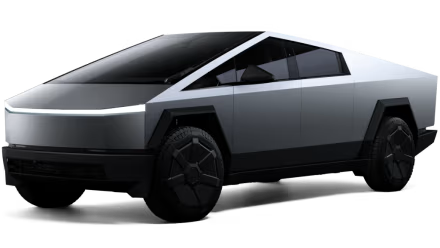
Tesla's Cybercab produces just one-eighth the emissions of comparable gasoline-powered vehicles on a per-mile basis, according to lifecycle analysis data.
What Happened
The analysis, published by Not a Tesla App, compares the Tesla Cybercab's well-to-wheel emissions against traditional internal combustion engine vehicles. The all-electric robotaxi design eliminates tailpipe emissions entirely, with its environmental advantage stemming primarily from zero direct exhaust output and the use of electricity that can be sourced from renewable energy.
Why It Matters
For fleet operators considering autonomous ride-hailing deployments, the Cybercab's dramatically lower emissions profile could translate to reduced regulatory exposure as cities tighten vehicle emission standards. Owners of Tesla's Full Self-Driving technology may also benefit indirectly if robotaxi networks expand using low-emission vehicles like the Cybercab. The comparison highlights how EVs already outperform gas cars on lifecycle emissions in most regions with mixed grid power, and that advantage grows as grids decarbonize.
The Bottom Line
The Cybercab's one-eighth emission ratio represents a significant environmental edge over conventional vehicles, though actual fleet deployment timelines and regulatory approvals remain key factors in realizing those benefits at scale.