Tesla Confirms Development of Wheelchair-Accessible Autonomous Vehicle
Company tells Washington D.C. council the purpose-built vehicle is being engineered at Gigafactory Texas for paratransit users.
Tesla has disclosed that it is developing a purpose-built, wheelchair-accessible autonomous vehicle at Gigafactory Texas in Austin.
What Happened
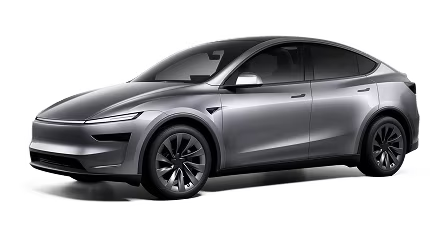
During testimony before the Washington D.C. City Council on Monday, Tesla Senior Policy Advisor India Herdman confirmed the company is actively building an autonomous vehicle designed specifically for wheelchair users who need mobility assistance without relying on a human driver. "We are in development for a purpose-built, wheelchair-accessible autonomous vehicle," Herdman said, adding that paratransit options can be extremely difficult for people permanently confined to wheelchairs. This initiative aligns with CEO Elon Musk's statement last September on X confirming Tesla was working on accessible rides as part of its Robotaxi platform, which currently operates using the Model Y.
Why It Matters
The announcement addresses a significant gap in Tesla's autonomous ride-sharing ambitions. While the company has deployed Cybercab employee rides and unveiled the Robovan at its "We, Robot" event in October 2024, neither vehicle is specifically designed for wheelchair accessibility. Federal law under the Americans with Disabilities Act prohibits discrimination against people with disabilities in transportation services—a compliance area that caught Uber last year when it faced a lawsuit over refusing to reasonably modify policies for disabled riders. Tesla appears intent on avoiding similar legal exposure while expanding its autonomous network to serve mobility-impaired passengers.
The Bottom Line
Tesla is developing but has not yet finalized a wheelchair-accessible autonomous vehicle at Gigafactory Texas, though the company has not specified whether this refers to an adapted Robovan or an entirely new body style designed for full autonomy and handicap accessibility.