NHTSA Pushes Back on Robotaxis Blocking Emergency Responders, Citing Public Safety Concerns
Federal regulators are demanding clearer protocols after multiple incidents where autonomous vehicles interfered with police, fire, and ambulance operations.
NHTSA is raising alarms about robotaxi and autonomous vehicle operations that have repeatedly blocked emergency responders, with agency officials warning that public trust in the technology hinges on solving these interference issues.
What Happened
The federal regulator has documented multiple incidents where AVs and robotaxis failed to yield to or actively obstructed police vehicles, fire trucks, and ambulances. In at least one case, an autonomous vehicle continued forward motion despite emergency lights and sirens being clearly audible and visible. NHTSA officials have been in discussions with Waymo, Cruise, and other operators about establishing clearer protocols for interacting with first responders.
Why It Matters
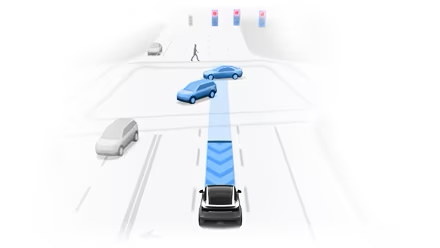
For Tesla Full Self-Driving users and potential buyers, the broader regulatory scrutiny on AV-robotaxi operations creates a two-edged situation: stricter rules could limit where and how FSD can be used, but resolving these public safety concerns is essential for long-term acceptance of autonomy features. First-responder interference isn't just about individual incidents—it strikes at the core trust argument Tesla makes for its driver-assistance systems.
The Bottom Line
NHTSA's patience appears to be wearing thin with autonomous vehicle operators who haven't resolved basic emergency-response protocols. Until companies can demonstrate reliable AV behavior around police, fire, and EMS operations, expect continued friction between deployers of autonomy technology and regulators tasked with public safety.