The Secret Behind Tesla's Cybercab Gold Goes Well Beyond Just the Color
Tesla embeds pigment directly into Cybercab panels during molding, cutting emissions by 35% and eliminating paint VOCs entirely.
Tesla is embedding color directly into Cybercab body panels during production using reaction injection molding, eliminating the need for a traditional paint shop process.
What Happened
Tesla confirmed on X this week that its new reaction injection molding (RIM) process embeds pigment directly into Cybercab panel material during the molding process itself. The company stated this shrinks paint cycles from hours to minutes and cuts manufacturing and supply chain emissions by 35%. It also eliminates 100% of paint volatile organic compounds emitted in traditional painting methods. While RIM technology has existed since the 1960s, Tesla's application is notable for use on exterior body panels that traditionally require a separate post-formation paint step. The panel exits the mold already colored, with only a clear coat or protective layer applied afterward.
Why It Matters
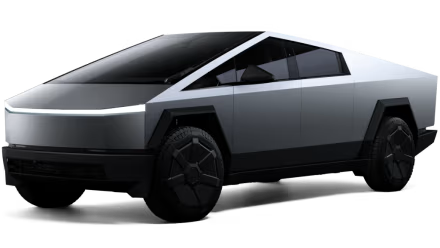
For Cybercab buyers and owners, this approach could mean more consistent color coverage without the risk of chips or fading typical of traditional paint. Tesla's long-standing goal of eliminating the paint shop as a source of waste and cost aligns with this process. Elon Musk outlined in 2020 his belief that Tesla factories could become 1,000 times more efficient than conventional plants, identifying the paint shop as one of the biggest sources of complexity. The Cybertruck previously took an unpainted stainless steel approach to avoid investing $200 million in a paint facility at Gigafactory Texas.
The Bottom Line
Tesla's RIM process for the Cybercab represents a manufacturing milestone that goes beyond aesthetics, potentially setting a new standard for how EVs are finished while reducing environmental impact.