Tesla Showcases Cybercab Accessibility Features for Blind Users at NFB Convention
Braille controls and service animal space highlighted in hands-on Austin demonstration.
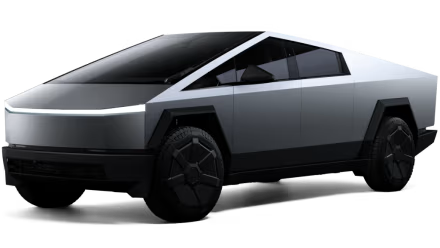
Tesla brought its Cybercab robotaxi to the National Federation of the Blind Annual Convention in Austin, Texas, on July 3, giving attendees a hands-on look at accessibility features designed for blind and visually impaired users.
What Happened
The demonstration took place at the JW Marriott Austin. Attendees, many using white canes or accompanied by service dogs, experienced the steering-wheel-free Cybercab firsthand. The showcase featured Braille lettering on physical controls including door releases and emergency buttons, allowing users to navigate interfaces independently through touch. Photos from the event captured blind attendees approaching the vehicle confidently, with generous interior space accommodating service animals and assistive devices.
Why It Matters
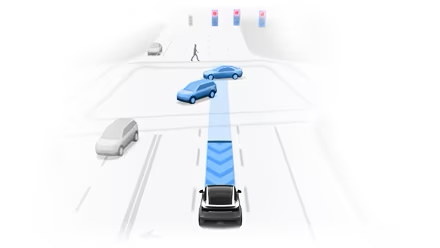
Autonomous vehicles like the Cybercab promise revolutionary independence for roughly 2.2 million visually impaired Americans. Traditional barriers—reliance on sighted drivers, costly paratransit, or limited public transit—often restrict spontaneous travel. Tesla Full Self-Driving aims to eliminate the need for a human operator, enabling on-demand, door-to-door rides via app hailing with voice guidance. Wheelchair-height seating also facilitates easier transfers for users with additional mobility challenges.
The Bottom Line
The NFB demonstration generated excitement about a future where technology levels the playing field. By prioritizing inclusive design, Tesla advances a vision of transportation that serves everyone, potentially reshaping daily life for blind individuals and setting a standard for the autonomous industry as Cybercab deployment scales.