Tesla’s Strong Q2 Deliveries: Four Key Drivers Behind the Surprise
The company delivered 480,126 vehicles in Q2 2026, beating Wall Street estimates of roughly 400,000–408,000 units.
Tesla reported delivering 480,126 vehicles in the second quarter of 2026, a 25 percent year-over-year jump that crushed Wall Street estimates and marked the end of two years of annual delivery declines.
What Happened
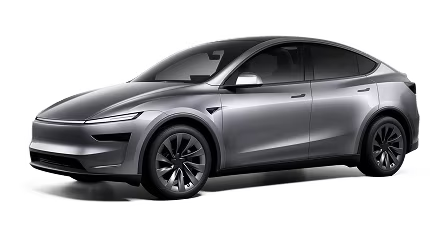
The company produced 451,758 vehicles during the quarter, with Model 3 and Model Y accounting for the vast majority. The result surprised analysts who had warned that the expiration of the U.S. federal EV tax credit would hammer demand. Four factors drove the outperformance: rising gas prices tied to geopolitical tensions around Iran pushed fuel costs higher, encouraging both fleet operators and private buyers to accelerate EV purchases; Tesla expanded Full Self-Driving availability in select European markets, adding perceived value for tech-oriented buyers; lower-cost configurations of Model 3 and Model Y widened accessibility alongside attractive financing options; and strong government incentives plus corporate fleet electrification drove a broad European recovery.
Why It Matters
The delivery beat demonstrates Tesla's ability to offset domestic headwinds from the lost $7,500 federal tax credit through diversified levers. For buyers, the introduction of affordable Model 3 and Model Y configurations expands entry points into the brand. The strong quarter also signals that competition in the EV market has not eroded Tesla's pricing power as some bears predicted.
The Bottom Line
Tesla delivered 480,126 vehicles in Q2 2026, surpassing Wall Street estimates of roughly 400,000–408,000 units by a wide margin. Production reached 451,758 and the company drew down inventory during the quarter.