Tesla Vehicles Now Drive Themselves Through Final Factory Checks
The BSR validation track—where cars are checked for rattles and squeaks—is now fully autonomous, with cabin microphones listening for issues.
Tesla is expanding its autonomous factory technology to cover the final step of vehicle validation, allowing new cars to drive themselves through quality checks without human intervention.
What Happened
During a recent interview with longtime Tesla enthusiast Herbert Ong, VP of Engineering Lars Moravy revealed that new vehicles now completely drive themselves through the bumps, squeaks, and rattles (BSR) section of the production line. This final validation track uses built-in cabin microphones to listen for any assembly issues and reports them back to the engineering team in real time. Cars then autonomously leave the factory floor after clearing this check. Moravy also said Tesla is developing a specialized AI system called "Full Self-Hearing" to automatically detect minor imperfections before delivery, alongside internal AI agents used across engineering, supply chain, service, and manufacturing quality control.
Why It Matters
For owners and buyers, this represents another step in Tesla's push to reduce human error throughout its production process. Automating the final validation stage means consistent, repeatable quality checks that don't depend on individual technicians. The system also generates real-time data on assembly issues, allowing faster feedback loops back to the factory floor. This could translate to fewer defects reaching customers and tighter manufacturing tolerances over time.
The Bottom Line
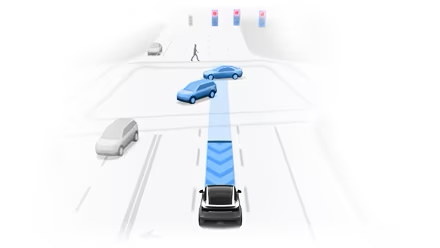
Tesla's autonomous factory logistics—which already include vehicles driving themselves off assembly lines—now extend into final quality validation. The expansion of Full Self-Driving technology from roads to the production line underscores how Tesla is applying its autonomy expertise across its manufacturing operations.