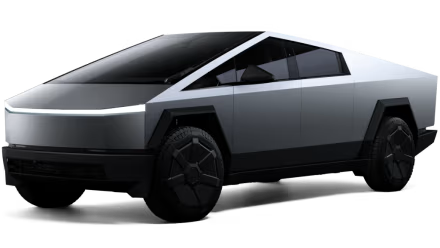
Tesla Cybercab First Responder Guide Reveals Battery Setup, External Mics, Tow Straps
The official safety document confirms the robotaxi's 48-volt architecture and Level 4 autonomy designation while detailing emergency procedures.
Tesla published its Cybercab First Responder Interaction Plan this week, an official document that reveals extensive hardware details about the purpose-built robotaxi now undergoing public-road testing in Austin.
What Happened
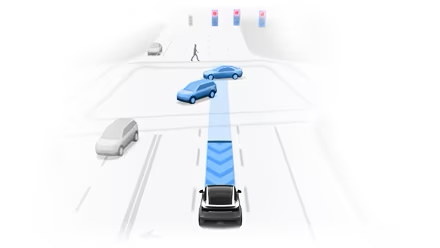
The 30-page guide for emergency personnel confirms several previously unannounced features. The Cybercab uses a dual-battery setup: a 48-volt low-voltage lithium-ion system—carried over from the Cybertruck—to power onboard electronics, paired with a 400-volt high-voltage pack for the powertrain. Some analysts had expected an 800-volt architecture like the Cybertruck, but Tesla stuck with the 400-volt configuration used on its existing high-volume vehicles. The document also reveals that wireless phone charging is absent; passengers must use USB-C ports below the central touchscreen instead. Tesla officially refers to the vehicle as the 'Cybercab Robotaxi' and defines its 'Autonomous Mode' as an SAE Level 4 self-driving system.
Why It Matters
The guide confirms hardware choices with real implications for owners, service technicians, and first responders. The 48-volt architecture signals Tesla's commitment to reduced wiring complexity across future vehicles—a technical shift that could eventually affect consumer models. For emergency personnel, the two First Responder Loops provide a physical redundancy to disable the driverless vehicle in emergencies, though full de-powering can take up to two minutes. Unique features like external microphones on the B-pillars—allowing passengers or workers to communicate with remote support without opening doors—and built-in tow straps accessible via the front license plate bracket set this robotaxi apart from any production Tesla currently available.
The Bottom Line
Tesla has begun testing steering-wheel-free, pedal-free Cybercab units on public roads in Austin. NHTSA recently removed its requirement for brake pedals on autonomous vehicles, clearing a regulatory hurdle for deployment. The First Responder Interaction Plan is the most comprehensive official documentation yet of the robotaxi's hardware and operational parameters.