Tesla Starts Testing Steering Wheel-less Cybercabs in Austin
The autonomous two-seater is conducting public-road validation near Gigafactory Texas with a safety monitor on board.
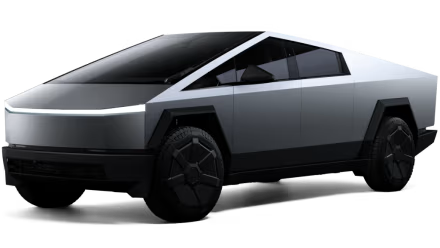
Tesla has begun engineering tests of its steering wheel-less Cybercab robotaxi in Austin, marking a significant step toward deploying a purpose-built autonomous vehicle on public roads.
What Happened
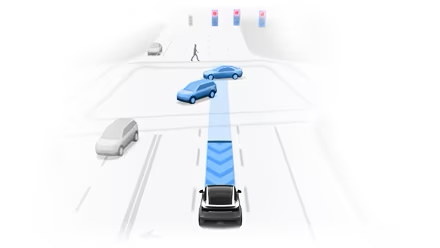
Tesla's official X account confirmed the team started conducting first engineering tests of self-driven Cybercab units without steering wheels, pedals, or any human controls. The testing is happening on public roads in Austin near Gigafactory Texas, where Tesla kicked off Cybercab mass production in April. A safety monitor currently rides along in one of the two passenger seats during validation runs—a standard practice for early testing but one that cuts passenger capacity by half due to the vehicle's two-seat design. The central touchscreen handles all rider interactions, displaying a gold Cybercab visualization with Full Self-Driving pathway indicators and an estimated arrival time.
Why It Matters
The Cybercab platform represents Tesla's vision for a truly driverless robotaxi service. With NHTSA dropping its brake pedal requirement for autonomous vehicles and Texas passing laws that allow SAE Level 4 autonomy certification, the regulatory path has cleared considerably. The Texas Department of Public Safety recently added the Cybercab to its Connected Autonomous Vehicles database alongside the retrofitted Model Y fleet already providing rides in Austin, Houston, and Dallas. If Tesla can move past the safety monitor phase without requiring a steering wheel or pedals, it could double the vehicle's passenger capacity and scale operations as originally intended.
The Bottom Line
Tesla is now validating production Cybercab units on public roads in Austin, where the first commercial rides are expected once testing wraps up. A fleet of over 70 production Cybercabs has already been spotted staged in Dallas, suggesting multi-city expansion could follow quickly after the Austin launch.